Content and URL inventory
List important pages, files, redirects, metadata, forms, and integrations so essential site assets are not missed.
Face45 / Web design & development
Website migration
Plan a platform, domain, or hosting move around content, redirects, search visibility, forms, and the people who rely on the current site.
Migration control points
Website migration / protect what matters
A practical look at the people, information, and systems involved in website migration.
The service, in context
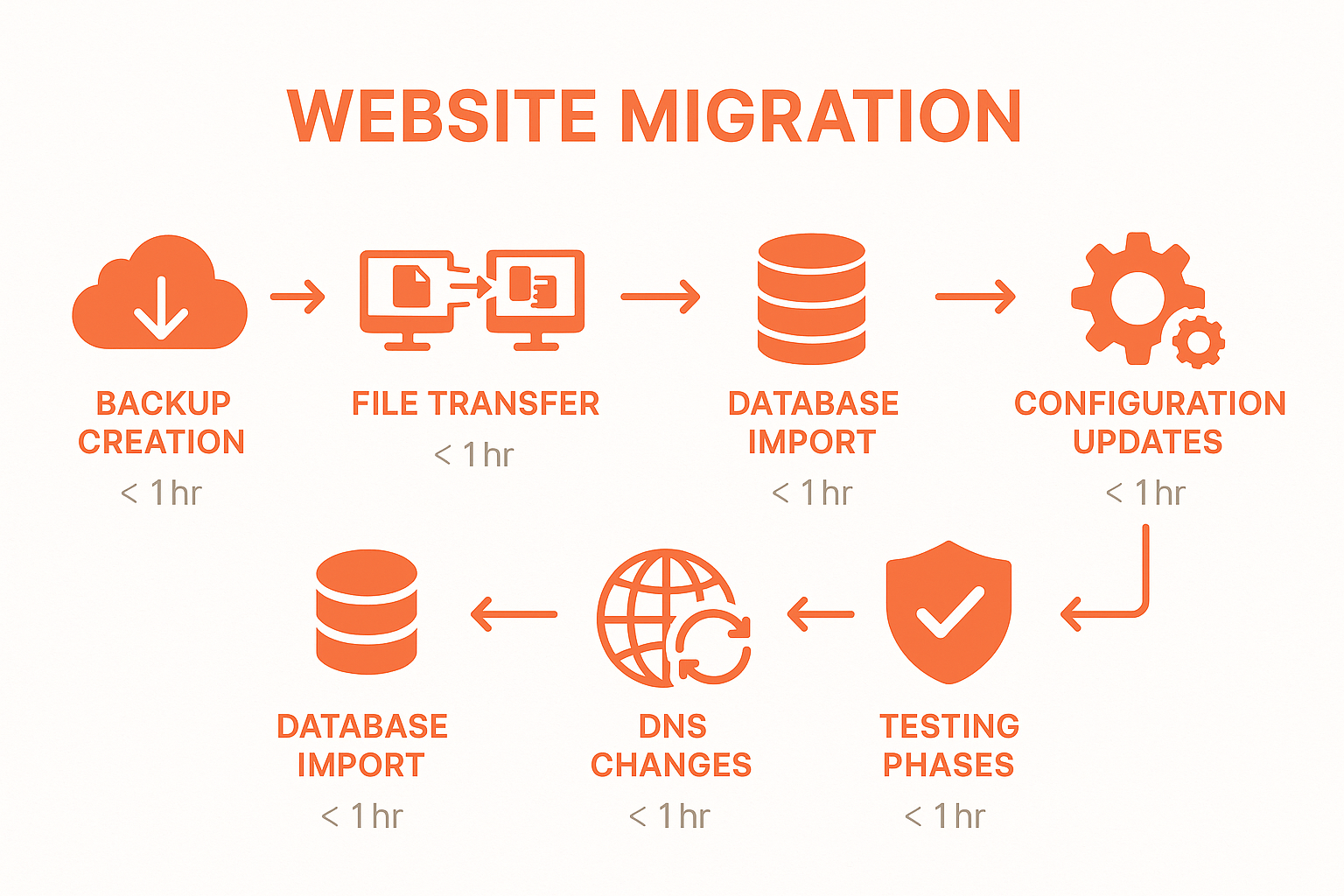
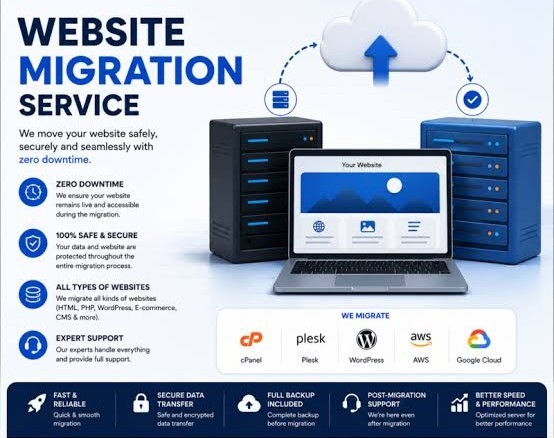
Changing a CMS or host can affect URLs, page content, integrations, analytics, and search crawling. A careful move inventories what exists, identifies what should be preserved or improved, then tests the new environment before visitors are sent to it.
Plan a platform, domain, or hosting move around content, redirects, search visibility, forms, and the people who rely on the current site.
Typical areas of work
The final scope depends on your systems, audience, priorities, and the evidence available. We agree deliverables before work begins.
List important pages, files, redirects, metadata, forms, and integrations so essential site assets are not missed.
Map old URLs to relevant new destinations and check canonical, indexing, and analytics settings before launch.
Move agreed content and assets into the new platform, then review formatting, links, media, and mobile presentation.
Test the destination, backups, forms, tracking, redirects, and access before and after the changeover.
Web design & development / Interactive service map
The exact plan depends on the current platform, destination, content volume, and access available.
Interactive workflow / service map
Select a step to see what happens, or use the controls to move through the sequence.
Select a stage to inspect its details
Stage 01 / What happens
Confirm ownership, access, content, URL patterns, dependencies, and known constraints.
Choose a scope area
Select an area for its detail and a practical planning note.
Scope area 01
List important pages, files, redirects, metadata, forms, and integrations so essential site assets are not missed.
How we approach it
Each stage has a defined purpose. We confirm what is learned, what is changing, and what needs your approval before moving on.
Confirm ownership, access, content, URL patterns, dependencies, and known constraints.
Decide what stays, changes, retires, or redirects, with a launch and rollback plan.
Move content to a staging environment and test important visitor tasks and technical settings.
Switch traffic when ready, verify key routes and forms, and review crawl or error signals.
Before work begins
Good delivery depends on clear ownership, access, and expectations as much as it depends on the implementation.
Confirm control of the domain, current host, CMS, DNS, and destination before scheduling a move.
Agree who approves the change window and what to do if a critical check fails.
Redirects reduce avoidable breakage, but a migration cannot guarantee unchanged rankings or traffic.
Useful answers
These answers set practical expectations. We can confirm the details that depend on your platform and project scope.
No one can guarantee that rankings or traffic will remain unchanged. A URL inventory, relevant redirects, and technical checks help reduce avoidable problems.
Yes. A staged migration can be appropriate when content areas have different owners or when a full move would create unnecessary risk.
Usually yes, or an export from its owner. The available access affects what can be migrated and how confidently it can be tested.
Web design & development
Share the goal, the current setup, and what you want to improve. We can work out a sensible first step.