Use-case assessment
Compare AI with simpler automation, search, or a process change before committing to a model-based feature.
Face45 / AI & automation
Custom AI solutions
Explore a purpose-built AI feature for a defined task, with an appropriate data boundary, review path, and way to evaluate its output.
A controlled AI assistance loop
Custom AI / a defined business task
A practical look at the people, information, and systems involved in custom ai solutions.
The service, in context
A custom AI solution may summarize documents, retrieve approved knowledge, classify incoming information, or assist a staff workflow. The right design starts by checking whether AI is suitable at all, what source data may be used, how a person reviews the result, and what failure looks like.
Explore a purpose-built AI feature for a defined task, with an appropriate data boundary, review path, and way to evaluate its output.
Typical areas of work
The final scope depends on your systems, audience, priorities, and the evidence available. We agree deliverables before work begins.
Compare AI with simpler automation, search, or a process change before committing to a model-based feature.
Where suitable, connect responses to approved source material and show users where information came from.
Set review thresholds, correction options, escalation paths, and limits on actions the system can take.
Build a representative set of examples and assess accuracy, failure modes, latency, and ongoing operating cost.
AI & automation / Interactive service map
The system should make uncertainty visible and avoid treating generated output as verified fact.
Interactive workflow / service map
Select a step to see what happens, or use the controls to move through the sequence.
Select a stage to inspect its details
Stage 01 / What happens
Identify the user, input, expected output, and the cost of an incorrect result.
Choose a scope area
Select an area for its detail and a practical planning note.
Scope area 01
Compare AI with simpler automation, search, or a process change before committing to a model-based feature.
How we approach it
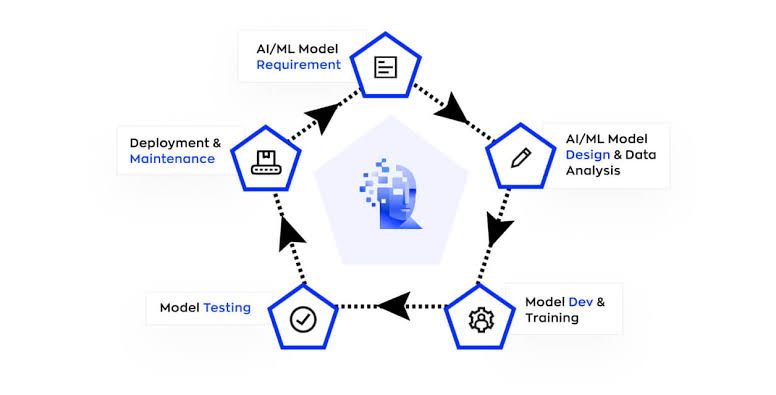
Each stage has a defined purpose. We confirm what is learned, what is changing, and what needs your approval before moving on.
Identify the user, input, expected output, and the cost of an incorrect result.
Check permissions, sensitive information, data sources, vendor terms, and retention needs.
Compare model output against reviewed examples, including ambiguous and adversarial inputs.
Introduce clear controls, monitoring, ownership, and a way to pause or remove the feature.
Before work begins
Good delivery depends on clear ownership, access, and expectations as much as it depends on the implementation.
Generative systems can be wrong or inconsistent. Outputs need a level of review appropriate to their impact.
Only use data that the business is authorized to process, and confirm provider retention and security terms.
Model pricing, availability, and behavior may change; the operating plan should account for those dependencies.
Useful answers
These answers set practical expectations. We can confirm the details that depend on your platform and project scope.
No. Rules-based automation, a better search interface, or a clearer process may be more reliable and easier to maintain.
That depends on the impact and legal context. High-impact or uncertain outputs should have meaningful human oversight and a clear escalation path.
Potentially, if your organization has the rights and permissions to process them and the provider's data handling meets your requirements.
AI & automation
Share the goal, the current setup, and what you want to improve. We can work out a sensible first step.