Catalog and taxonomy review
Review product categories, filters, naming, variants, and internal discovery paths.
Face45 / SEO & AI search visibility
E-commerce SEO
Improve the product, category, and technical foundations that help shoppers and search engines find the right items.
From catalog data to a useful product visit
E-commerce SEO / product discovery
A practical look at the people, information, and systems involved in e-commerce seo.
The service, in context
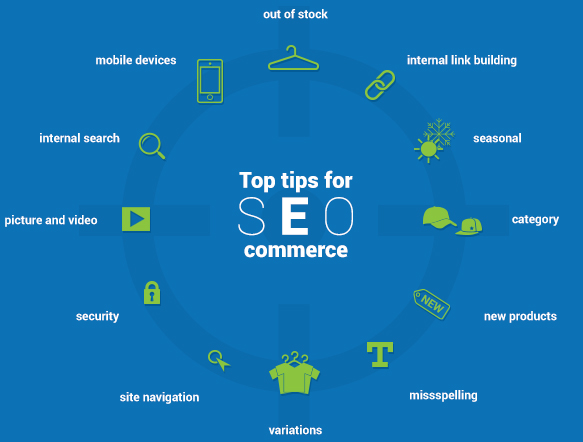
E-commerce sites often need to balance a large catalog, changing availability, product variants, filters, and duplicate URL patterns. SEO work focuses on finding the pages that deserve discovery and making their information accurate, distinctive, and easy to use.
Improve the product, category, and technical foundations that help shoppers and search engines find the right items.
Typical areas of work
The final scope depends on your systems, audience, priorities, and the evidence available. We agree deliverables before work begins.
Review product categories, filters, naming, variants, and internal discovery paths.
Improve descriptions, imagery, attributes, shipping context, and internal links based on customer needs.
Assess faceted navigation, canonical signals, pagination, and discontinued or unavailable products.
Use valid product data only when it accurately reflects visible price, availability, reviews, and other page details.
SEO & AI search visibility / Interactive service map
Availability, prices, and product claims should stay aligned with the live store and merchant policies.
Interactive workflow / service map
Select a step to see what happens, or use the controls to move through the sequence.
Select a stage to inspect its details
Stage 01 / What happens
Review platform constraints, product data, demand, and the routes shoppers use to browse.
Choose a scope area
Select an area for its detail and a practical planning note.
Scope area 01
Review product categories, filters, naming, variants, and internal discovery paths.
How we approach it
Each stage has a defined purpose. We confirm what is learned, what is changing, and what needs your approval before moving on.
Review platform constraints, product data, demand, and the routes shoppers use to browse.
Select pages where improved information can support both discovery and purchase decisions.
Improve crawl paths, page content, variants, and structured data where appropriate.
Review indexation, search activity, stock changes, and commerce events with their limitations.
Before work begins
Good delivery depends on clear ownership, access, and expectations as much as it depends on the implementation.
The store should own the source of truth for price, availability, and product attributes.
Prioritize representative page types and automation carefully; bulk changes still need quality checks.
Product pages may need a different approach when items are temporary, seasonal, or regularly discontinued.
Useful answers
These answers set practical expectations. We can confirm the details that depend on your platform and project scope.
Not automatically. Product availability, unique content, demand, and the site's navigation structure help determine which pages should be discoverable.
That can be scoped, but descriptions need accurate source data and review. Automated drafts should not invent features, materials, or performance claims.
The right action depends on whether a replacement exists, the page has useful history, or shoppers still need information. Redirects and removals should be planned rather than applied blindly.
SEO & AI search visibility
Share the goal, the current setup, and what you want to improve. We can work out a sensible first step.